




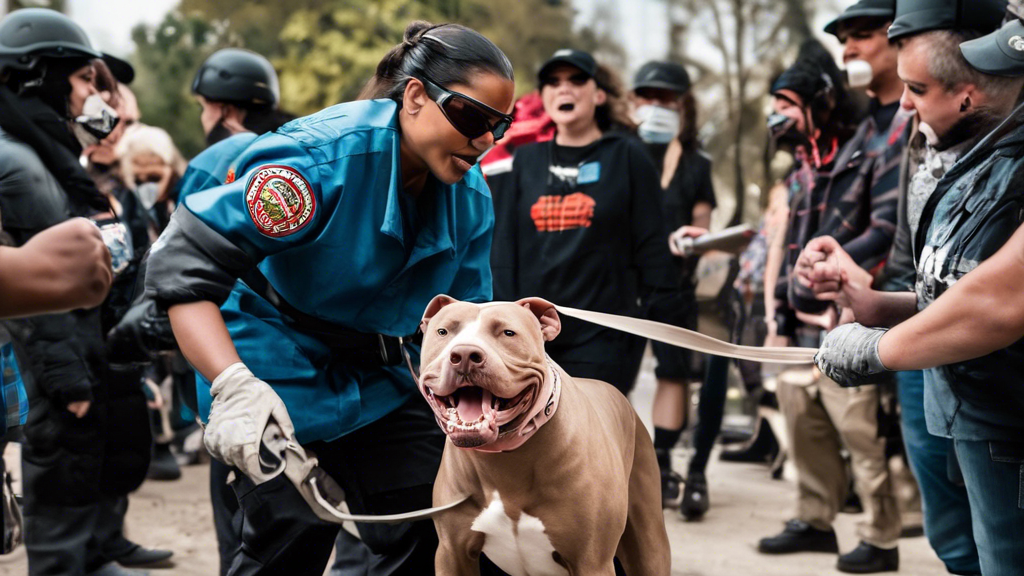
**Introducing Pitbull Biting Prevention and Management: A Comprehensive Guide**
**Pitbulls: Unlocking the Causes and Prevention of Biting**
Pitbulls, often misunderstood for their strength and muscular appearance, deserve our understanding and responsible ownership. Understanding the underlying causes of their biting behavior is crucial. Genetics, environmental factors (e.g., abuse, neglect), and inadequate socialization play significant roles. By delving into these causes, we can implement effective prevention strategies through proper training, socialization, and environmental management.
**Effective Management of Pitbull Biting**
Managing Pitbull biting requires a combination of techniques. Behavior modification approaches, such as positive reinforcement and clicker training, focus on rewarding desired behaviors. Environmental modifications, including safe spaces and trigger avoidance, aim to minimize potential triggers that elicit biting. Muzzle training, when used responsibly and under professional guidance, can provide an additional layer of safety. Responsible ownership practices, involving sterilization, microchipping, and obedience training, are essential for preventing and managing biting incidents.
Throughout this article, we will explore these topics in detail, providing valuable insights for Pitbull owners and professionals. By understanding and implementing the principles of biting prevention and management, we can foster a harmonious and safe coexistence between Pitbulls and their communities.
Understanding the Root Causes and Effective Prevention Strategies
Pitbulls, renowned for their strength and loyalty, can exhibit biting behavior under certain circumstances. To effectively manage this behavior, it’s crucial to delve into the underlying causes and develop targeted prevention strategies.
Causes of Pitbull Biting Behavior
* Genetics and Breed Characteristics: Pitbulls have a strong prey drive and protective instincts, which can contribute to biting behavior if not properly managed.
* Environmental Factors: Environmental stressors, such as abuse, neglect, or lack of socialization, can increase the risk of biting incidents.
* Socialization Deficiencies: Lack of early and appropriate socialization can lead to fear and aggression towards unfamiliar people or animals.
Preventive Strategies for Pitbull Biting
* Early and Comprehensive Training: Engage in obedience training from an early age to establish a strong bond between owner and dog. Use positive reinforcement methods to reward desired behaviors.
* Thorough Socialization: Expose Pitbulls to a variety of experiences and environments gradually to teach them appropriate responses to different situations.
* Environmental Management: Provide a safe and predictable home environment, avoiding potential triggers that could stimulate biting behavior. Keep the dog away from small children or other animals if needed.
* Responsible Ownership: Understand the breed’s specific characteristics and take responsibility for training and managing the dog appropriately. Ensure regular veterinary check-ups and address any potential health issues that may contribute to biting.
The #1 Free Source for Pitbull & Bully Pedigrees!
Effective Management Techniques for Pitbull Biting
Behavior Modification Techniques
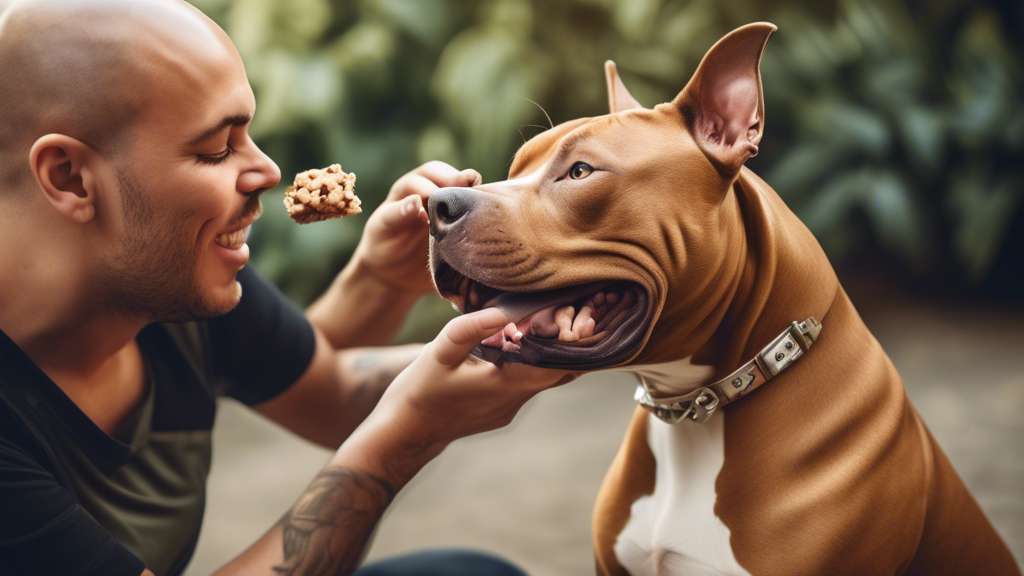
Positive Reinforcement: Rewarding desired behaviors (e.g., staying calm, following commands) with treats, praise, or playtime encourages positive associations and reinforces desirable actions.
Clicker Training: Using a clicker device to mark the precise moment a desired behavior occurs allows for accurate and immediate reinforcement, enhancing learning and shaping appropriate responses.
Environmental Modifications
Providing Safe Spaces: Creating designated areas where the Pitbull can retreat to when feeling stressed or overwhelmed provides a sense of security and reduces the likelihood of biting.
Avoiding Triggers: Identifying and avoiding situations or stimuli that trigger biting behavior, such as loud noises, unfamiliar people, or aggressive animals, helps minimize the risk of attacks.
Muzzle Training and Responsible Ownership
Muzzle Training: Properly fitting and training a Pitbull to wear a muzzle can serve as a temporary measure to prevent biting in certain situations (e.g., during veterinary visits, while outside the home).
Responsible Ownership: Owners must be aware of the potential risks of owning a Pitbull and take appropriate precautions, such as keeping the dog on a leash in public, socializing it properly, and neutering or spaying to reduce aggression.
Additional Tips
- Seek professional help from a certified animal behaviorist or veterinarian to address specific biting issues.
- Monitor body language and signs of stress to prevent bites before they occur.
- Exercise the Pitbull regularly to burn off excess energy and reduce restlessness.
- Avoid harsh punishments or physical corrections, as these can escalate aggression and worsen biting behavior.
- Educate family members and guests on appropriate interactions with the Pitbull to minimize potential triggers.
**Conclusion**
In conclusion, understanding the causes and risk factors associated with Pitbull biting behavior is crucial for preventing and managing this issue effectively. Adequate socialization, training, and responsible ownership are essential pillars in reducing the likelihood of biting incidents. Behavior modification techniques, environmental modifications, and muzzle training can be utilized to address and mitigate existing biting concerns. It is imperative to remember that all dogs have the potential to bite, and Pitbulls are no exception. However, with proper care, training, and management, Pitbulls can make loyal and loving companions.
By following the strategies outlined in this article, owners can foster a positive and safe environment for their Pitbulls and minimize the risk of biting behavior. It is important to seek professional assistance from qualified dog trainers or veterinary behaviorists if concerns arise. With a combination of knowledge, patience, and responsible ownership, individuals can enjoy the companionship of a well-behaved and non-aggressive Pitbull.


Leave A Comment