




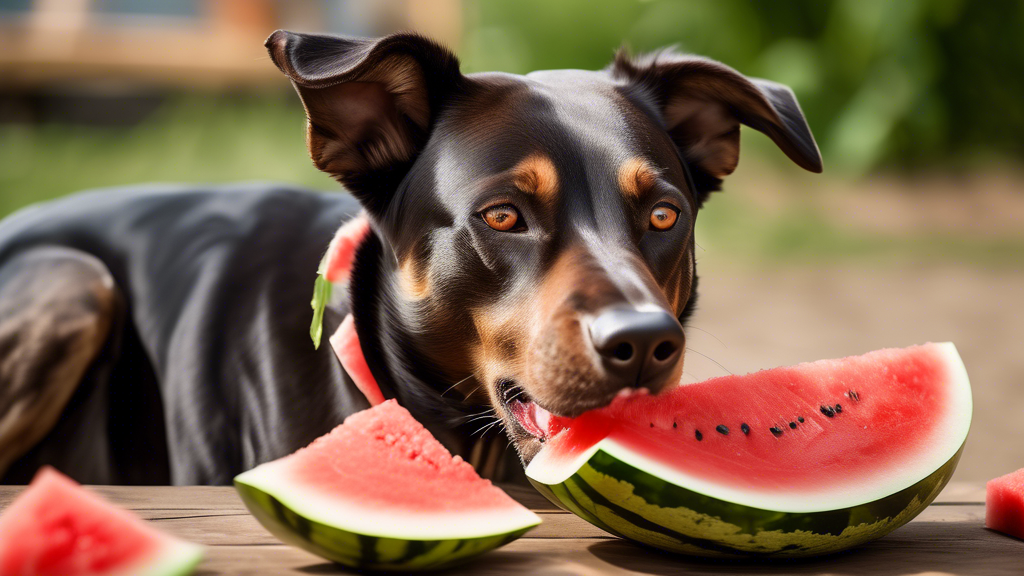
**Can Dogs Eat Watermelon? An In-Depth Examination**
Watermelon, a refreshing summer treat, entices dogs with its juicy sweetness. But is it safe for our canine companions to indulge? This comprehensive guide will delve into the nutritional benefits, consumption recommendations, and potential risks of watermelon for dogs.
We’ll explore the nutritional punch watermelon packs, discussing its vitamins, minerals, and antioxidants. We’ll also highlight the importance of moderation, addressing the potential digestive issues associated with overconsumption.
Furthermore, we’ll guide you through the safest way to prepare and feed watermelon to your furry friend. We’ll provide portion sizes tailored to your dog’s weight and health status, ensuring a balanced and enjoyable treat. Finally, we’ll emphasize the crucial role of monitoring your dog while they savor this delectable treat.
1. Safety of Watermelon for Dogs
Dogs can enjoy the sweet and refreshing treat of watermelon in moderation. This juicy fruit offers nutritional benefits and can be a healthy addition to a balanced canine diet.
Nutritional Value for Dogs
Watermelon is a rich source of vitamins, minerals, and antioxidants that can support canine health. These include:
* Vitamin A: Essential for healthy vision and immune function.
* Vitamin C: An antioxidant that boosts the immune system and protects against cell damage.
* Potassium: Electrolyte that regulates blood pressure and muscle function.
* Citrulline: Amino acid with potential antioxidant and anti-inflammatory properties.
Moderate Consumption is Key
While watermelon is generally safe for dogs, it should be offered in moderation. Overconsumption can lead to stomach upset, diarrhea, and potential choking hazards. It is recommended to limit watermelon intake to small amounts and only as an occasional treat.
Potential Risks
Before offering watermelon to your dog, be aware of the following potential risks:
* **Choking hazard:** Remove the rind and seeds from watermelon before feeding it to your dog, as these can pose a choking hazard.
* **Stomach upset:** Consuming large amounts of watermelon can cause stomach upset, especially in dogs with sensitive digestive systems.
* **Sugar content:** Watermelon contains natural sugars, so it should be offered sparingly to dogs with diabetes or weight issues.
* **Bacterial contamination:** Unwashed watermelon can contain harmful bacteria that may cause illness. Wash the watermelon thoroughly before serving it to your dog.
The #1 Free Source for Pitbull & Bully Pedigrees!
## Feeding Tips for Dogs
### Preparing Watermelon for Dogs
To ensure your dog’s safety and enjoyment, follow these steps when preparing watermelon:
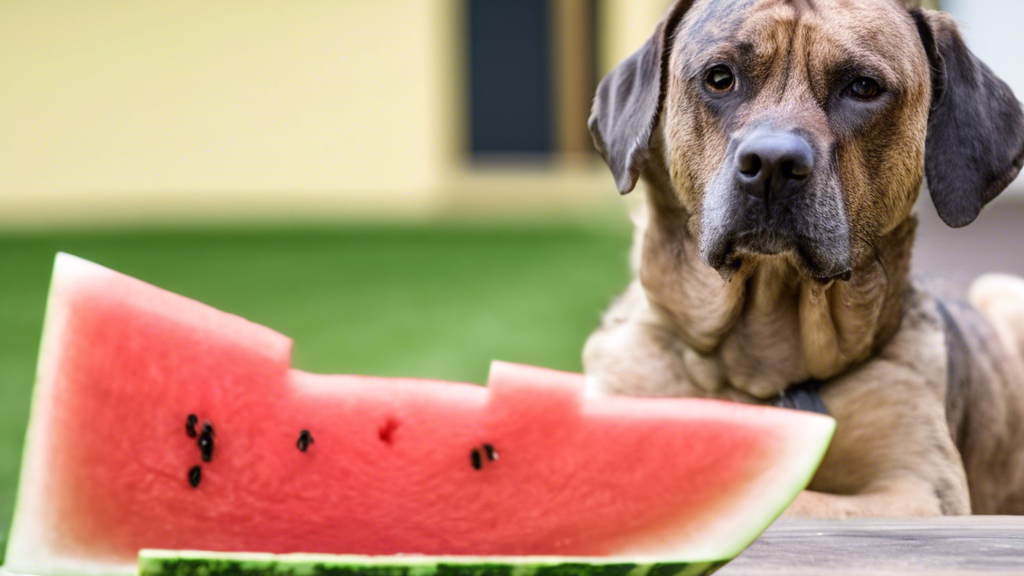
* **Remove the rind and seeds:** The rind can be difficult for dogs to digest, and the seeds can pose a choking hazard.
* **Cut into small pieces:** Bite-sized pieces will make it easier for your dog to chew and swallow.
* **Chill the watermelon:** Cold watermelon is refreshing and a great way to cool down your dog on a hot day.
### Portion Guidelines
The amount of watermelon you should feed your dog depends on their weight and overall health. A good rule of thumb is to offer the following portions:
* **Small dogs (<20 lbs):** 1-2 small pieces of watermelon * **Medium dogs (20-50 lbs):** 2-4 small pieces of watermelon * **Large dogs (>50 lbs):** 4-6 small pieces of watermelon
It’s important to note that these are just guidelines, and you may need to adjust the amount based on your dog’s individual needs.
### Monitoring Your Dog
Keep an eye on your dog while they eat watermelon to ensure they don’t choke or eat too much. If your dog shows any signs of discomfort, such as vomiting or diarrhea, stop feeding them watermelon and consult with your veterinarian.
### Other Feeding Considerations
* **Avoid feeding watermelon to puppies:** Their digestive systems are not fully developed and may not be able to handle the sugars in watermelon.
* **Limit watermelon intake for overweight dogs:** Watermelon is high in sugar, so it’s important to limit the amount you feed your dog if they are overweight.
* **Don’t give watermelon to dogs with diabetes:** The sugar content in watermelon can interfere with insulin regulation.
By following these tips, you can safely and enjoyably introduce watermelon into your dog’s diet. Remember to consult with your veterinarian if you have any concerns about feeding your dog watermelon.
**Conclusion**
In conclusion, watermelon can be a healthy and refreshing treat for dogs when consumed in moderation. Its high water content and essential nutrients make it a valuable addition to a dog’s balanced diet. However, it is crucial to prepare watermelon properly and monitor your dog’s consumption to prevent any potential risks. By following the guidelines outlined in this article, you can safely share this sweet and juicy fruit with your furry friend.
Remember to always consult with your veterinarian before introducing any new foods into your dog’s diet to ensure their individual nutritional needs are met and any potential allergies or health concerns are addressed.





Leave A Comment