




**SEO-Optimized Introduction:**
Unleash the Secrets of Dog Zoomies: Causes and Effective Management Strategies
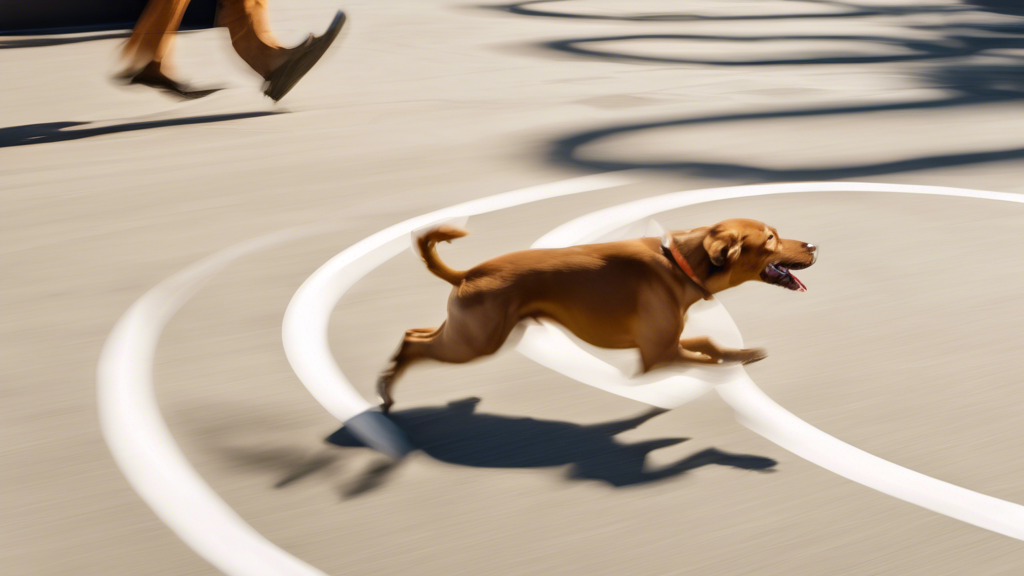
Are you puzzled by your dog’s inexplicable bursts of high-energy antics? Do they suddenly sprint around the house, colliding with furniture and leaving you bewildered? These enigmatic episodes known as zoomies are a common phenomenon among canines.
This comprehensive guide will delve into the underlying causes of dog zoomies, offering insights into the various factors that trigger this peculiar behavior. We will also explore effective management strategies to help you harness this energy surge and ensure a harmonious coexistence with your furry companion.
Understanding the reasons behind dog zoomies is crucial for developing tailored solutions. From pent-up energy and boredom to post-meal surges and stress cues, this article will shed light on the diverse triggers that lead to these energetic outbursts.
Equipped with this knowledge, we will empower you with a range of practical techniques to manage dog zoomies. Learn how regular exercise, enrichment activities, scheduled mealtimes, calming interventions, and professional guidance can mitigate this exuberant behavior and maintain a balanced lifestyle for your beloved pup.
Causes of Dog Zoomies
Pent-up Energy
Dogs are naturally energetic creatures, and lack of exercise or playtime can lead to pent-up energy that manifests as zoomies. Regular physical activity, such as walks, runs, or play sessions in the park or yard, is crucial for releasing excess energy and preventing zoomies.
Excitement
Certain events or stimuli, such as being greeted upon arrival, seeing a familiar person or animal, or anticipating a walk or treat, can trigger excitement in dogs, leading to sudden bursts of energy and Zoomies.
Boredom
Lack of mental and physical stimulation can lead to boredom, which in turn can contribute to zoomies. Providing dogs with interactive toys, puzzles, and training activities can help engage their minds and prevent boredom.
Post-Meal Energy
Some dogs experience a surge of energy after eating, which can result in zoomies. Feeding dogs on a regular schedule and avoiding large meals can help minimize post-meal energy rushes and reduce the likelihood of zoomies.
Stress or Anxiety
In some cases, zoomies may be a sign of underlying stress or anxiety in dogs. Triggers can include separation anxiety, fear of loud noises or strangers, or changes in their environment. If you suspect that zoomies may be linked to stress or anxiety, it’s important to consult with a veterinarian or animal behaviorist for further evaluation and support.
The #1 Free Source for Pitbull & Bully Pedigrees!
Managing Dog Zoomies
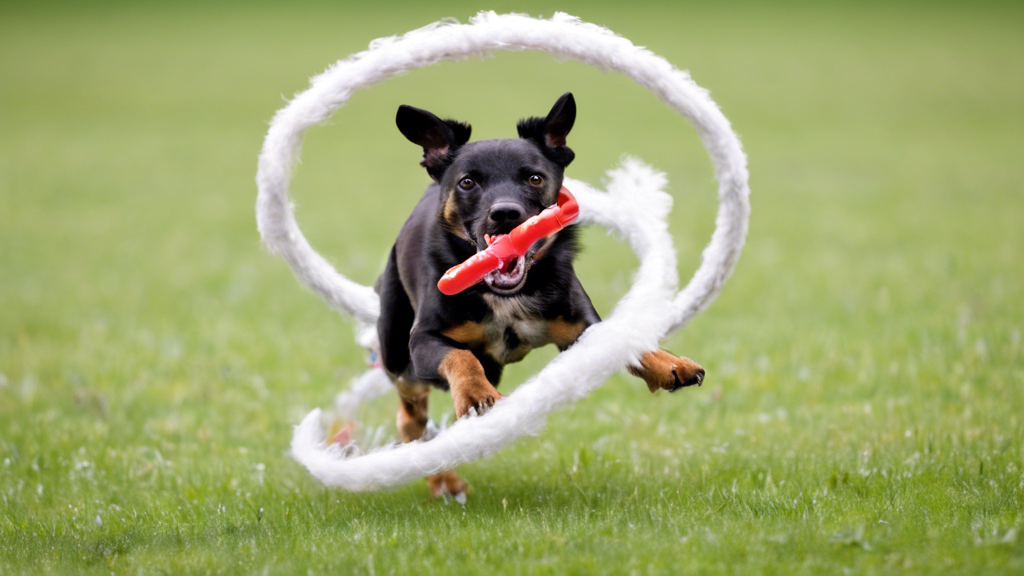
Dog zoomies, while amusing to observe, can be a nuisance and even a safety concern if not managed appropriately. Here are several effective strategies for managing dog zoomies:
Regular Exercise and Play
The most effective way to prevent zoomies is to provide dogs with ample opportunities for exercise and play throughout the day. Regular physical activity not only burns off excess energy but also promotes overall well-being and reduces stress, which can contribute to zoomies.
Aim for at least 30-60 minutes of exercise per day, depending on your dog’s age, breed, and energy level. This can include walks, runs, fetch, or playing in the park.
Enrichment Activities
Boredom is another common trigger for zoomies. Engaging dogs in mentally stimulating activities can help prevent boredom and reduce the likelihood of zoomies. Provide puzzle toys that challenge their problem-solving skills, participate in training sessions to reinforce obedience and teach new tricks, and play interactive games that promote mental stimulation.
Scheduled Mealtimes
Some dogs experience a surge of energy after eating, which can manifest as zoomies. To avoid this, feed dogs on a regular schedule to prevent post-meal energy rushes. Avoid giving treats or additional snacks between meals to maintain a consistent energy level.
Calming Techniques
If your dog exhibits signs of stress or anxiety that trigger zoomies, try calming techniques such as deep breathing exercises, gentle petting, or providing a safe and cozy space. You can also use a calming spray or pheromone diffuser to create a relaxing environment for your dog.
Deep breathing exercises involve taking slow, deep breaths while focusing on relaxing the body and mind. Gentle petting can also have a calming effect, releasing serotonin and reducing stress hormones. Providing a safe and cozy space, such as a crate or a quiet corner, can help your dog feel secure and reduce anxiety.
Professional Help
If zoomies become a persistent or uncontrollable issue, consult a veterinarian or animal behaviorist for further guidance and support. They can help identify underlying medical or behavioral issues that may be contributing to zoomies and recommend appropriate treatment options.
**Conclusion:**
Dog zoomies, while often amusing, can also be a symptom of underlying issues such as pent-up energy, excitement, boredom, post-meal energy, or stress. Understanding the triggers that lead to zoomies is crucial to effectively manage them. By providing dogs with ample physical and mental stimulation through regular exercise, enrichment activities, and scheduled mealtimes, owners can help prevent zoomies and promote a balanced and healthy lifestyle for their canine companions. It is important to address any underlying stressors or anxiety that may contribute to zoomies. If zoomies persist or become uncontrollable, it is advisable to seek professional advice from a veterinarian or animal behaviorist for further evaluation and support. By implementing appropriate management strategies, owners can help ensure that zoomies remain a harmless and occasional expression of canine exuberance rather than a recurring behavioral issue.





Leave A Comment