




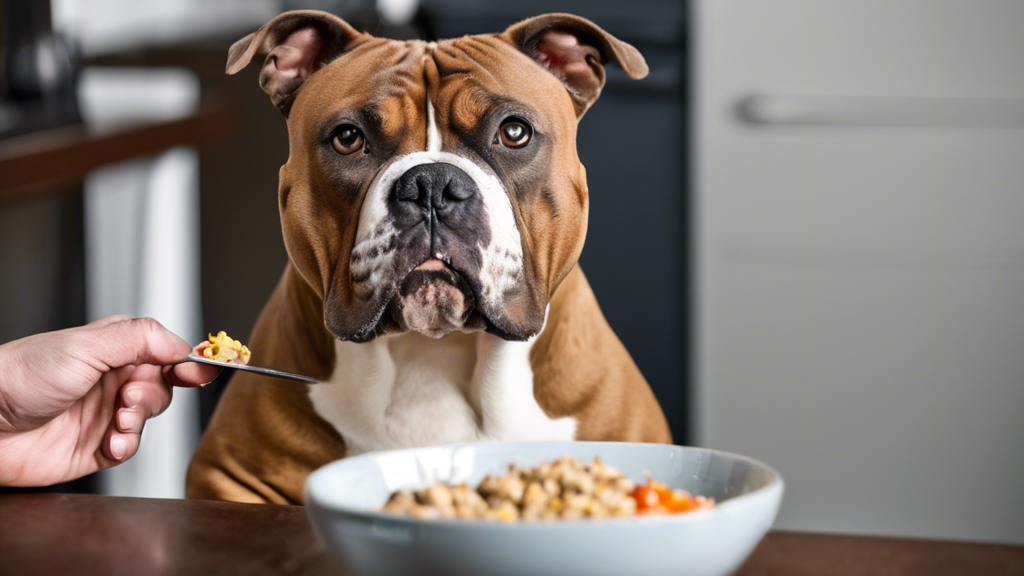
1. Identify and Address Underlying Causes of Food Aggression
Exploring Potential Triggers and Motivators
Food aggression in American Bullies can stem from various underlying causes, including:
- Anxiety: Fear or stress can trigger food aggression as a protective mechanism.
- Resource Guarding: Instinctive behavior to protect food as a valuable resource.
- Past Negative Experiences: Traumatic events associated with food, such as resource competition or punishment during feeding.
Behavioral Therapy Techniques
To address these underlying causes, consider using behavioral therapy techniques:
- Counter-Conditioning: Pair the triggering stimulus (e.g., food) with positive experiences to change the emotional response.
- Systematic Desensitization: Gradually expose the dog to the trigger in controlled settings, while rewarding calm behavior.
- Redirection: Teach the dog an alternative behavior to replace food aggression, such as sitting or going to a designated spot.
By understanding the motivations behind food aggression and utilizing behavioral therapy, you can effectively modify trigger responses and establish a more positive association with food.
## Effective Training and Management Strategies for American Bully Food Aggression
Addressing food aggression in American Bullies requires a multifaceted approach that combines behavioral training and effective management strategies. Implementing the following techniques can help establish a harmonious household and prevent aggressive incidents related to food:
### Gradual Training for Appropriate Behavior
**1. Teach Calm Waiting:**
* Begin by placing a small amount of food in a bowl and remove it before the dog approaches.
* Gradually increase the distance and duration the dog must wait calmly before being allowed to eat.
* Reward the dog with treats or praise for maintaining composure.
**2. Introduction to Sharing Resources:**
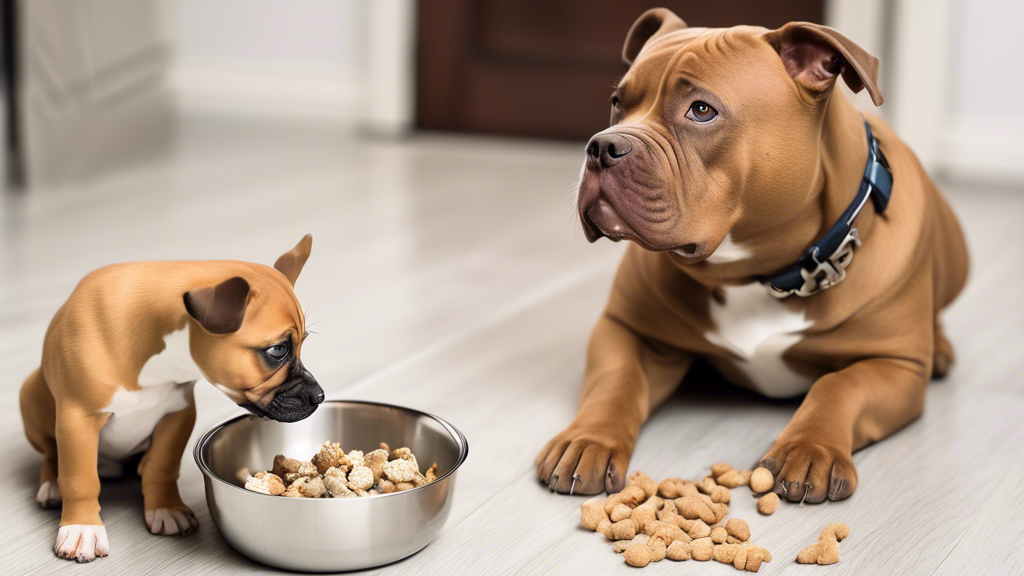
* Place multiple food bowls in the same area and observe the dog’s reaction.
* Gradually decrease the distance between the bowls, allowing the dog to approach cautiously.
* Reward the dog for sharing resources without incident.
**3. Controlled Feeding Environments:**
* Designate a specific feeding area where the dog can eat undisturbed.
* Avoid feeding the dog in high-traffic or noisy areas where they may feel threatened.
* Keep children and other animals away from the dog during feeding time.
### Effective Management Techniques
**1. Use of Slow-Feed Bowls:**
* Slow-feed bowls force the dog to eat at a slower pace, reducing the likelihood of gulping food and becoming aggressive.
* The increased effort required to retrieve food also provides mental stimulation and can be enjoyable for the dog.
**2. Hand-Feeding During Training:**
* When training the dog to wait calmly or share resources, hand-feed them one piece of food at a time.
* This allows you to control the pace of eating and reward the dog for desired behaviors.
**3. Regular Veterinary Checkups:**
* Underlying medical conditions can contribute to food aggression. Regular veterinary checkups can rule out any potential health issues that may be influencing the dog’s behavior.
By implementing these training and management strategies consistently, you can effectively address food aggression in your American Bully. It’s important to remain patient and seek professional help from a certified behaviorist if necessary to ensure the most successful outcome.
The #1 Free Source for Pitbull & Bully Pedigrees!
**Conclusion**
Addressing food aggression in American Bullies requires a comprehensive approach that encompasses identifying and addressing underlying triggers, implementing effective training and management strategies, and ensuring a consistent and structured environment. By implementing the techniques outlined in this article, owners can effectively mitigate food aggression, improve their bond with their companion, and ensure a harmonious and safe household.
It is essential to seek professional guidance from a qualified veterinarian or animal behaviorist if food aggression persists or intensifies despite implementing these strategies. Early intervention and consistent training are crucial for successful behavior modification and a positive outcome for both the American Bully and its owner.


Leave A Comment