




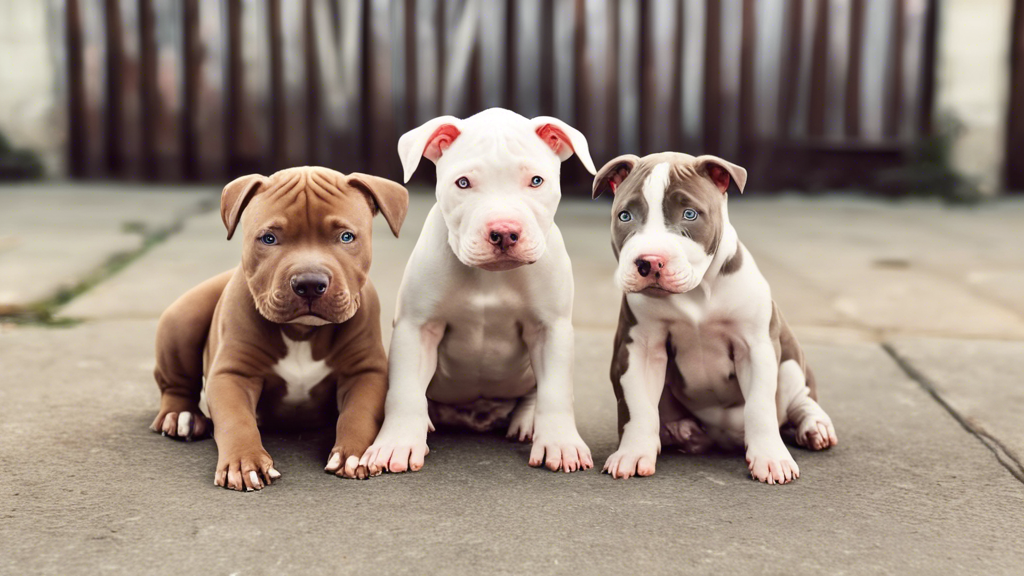
**Understanding Pitbull Growth and Development: A Comprehensive Guide**
**Introduction**
Pitbulls, known for their distinctive physical characteristics and striking personalities, undergo a dynamic journey of growth and development from birth to adulthood. Understanding the intricacies of this process is crucial for responsible breeders, owners, and anyone interested in the welfare of these beloved canines. This article takes a comprehensive look at Pitbull growth and development, exploring the key stages, growth rate, behavioral traits, adult characteristics, and essential care requirements for optimal health and well-being.
Pitbull Puppy Development: A Comprehensive Guide from Birth to Adolescence
Key Developmental Stages
- Neonatal Period (0-2 weeks): Puppies are entirely dependent on their mother for milk, warmth, and stimulation. Their senses are underdeveloped, and they spend most of their time sleeping.
- Transitional Period (2-4 weeks): Puppies begin to open their eyes and ears and develop coordination. They start taking their first wobbly steps and may attempt some playful behavior.
- Socialization Period (4-12 weeks): This critical stage is when puppies learn to interact with humans and other animals. Exposing them to various experiences helps them develop confidence and prevent behavioral problems.
- Juvenile Period (12-6 months): Puppies enter adolescence, characterized by rapid growth, hormonal changes, and increased independence. They may test boundaries and require consistent training and guidance.
Growth Rate and Physical Changes
- Pitbull puppies grow rapidly during the first 6 months, reaching about 75% of their adult weight by 6 months and 100% by 1 year.
- Their body proportions change as they grow, with their legs becoming longer and their heads becoming more prominent.
- Their coat also undergoes changes, becoming thicker and darker as they mature.
Common Behavioral Traits and Socialization Needs
- Pitbull puppies are typically friendly and outgoing but can be protective of their families.
- They have a high prey drive, so early socialization and training are essential to prevent chasing problems.
- They require plenty of exercise and mental stimulation to stay happy and healthy.
The #1 Free Source for Pitbull & Bully Pedigrees!
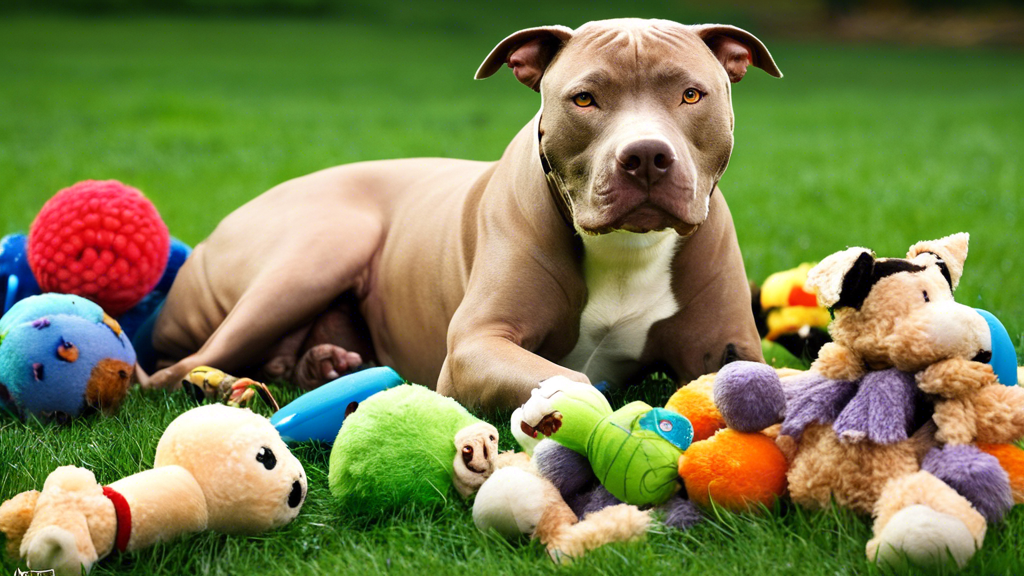
Adult Pitbull Characteristics and Care: A Guide to Optimal Health and Well-being
As your Pitbull puppy blossoms into an adult dog, its physical and behavioral characteristics will continue to evolve. Understanding the distinct needs of an adult Pitbull is crucial for ensuring its optimal health and well-being. Here’s a comprehensive guide:
Mature Size and Weight
Adult Pitbulls are known for their muscular and athletic build. Males typically weigh between 55-70 pounds, while females range from 40-55 pounds. Their height at the shoulder usually varies between 17-21 inches. The growth plates of Pitbulls close around 18-24 months of age, indicating the attainment of their full adult size.
Exercise and Diet Requirements
Adult Pitbulls have a high energy level and require regular exercise to maintain their physical and mental well-being. An hour or more of daily exercise, such as brisk walks, jogging, or playing fetch, is recommended. They are also intelligent dogs that benefit from mental stimulation through interactive games and training sessions.
The nutritional needs of adult Pitbulls depend on their age, activity level, and overall health. A high-quality diet that meets their specific requirements is essential. Look for foods formulated for large or active breeds, providing a balanced intake of protein, carbohydrates, and healthy fats.
Breed-Specific Health Considerations
Pitbulls are generally healthy dogs, but some breed-specific health concerns should be monitored. These include:
- Hip and elbow dysplasia
- Skin allergies
- Heart disease
- Hypothyroidism
Regular veterinary checkups and preventive care, such as vaccinations and parasite control, are crucial for maintaining your Pitbull’s health and preventing potential issues.
Temperament and Training Tips for Responsible Ownership
Pitbulls are often misunderstood due to negative stereotypes. However, they are known for their loyalty, affection, and eagerness to please. With responsible ownership and training, Pitbulls can be well-behaved and loving family companions.
Early socialization and training are essential for Pitbulls. Exposing them to various people, places, and situations helps build their confidence and prevent aggression. Obedience training teaches them basic commands and manners, promoting their overall well-being and safety.
By understanding the unique characteristics and needs of adult Pitbulls, you can provide them with the care, training, and love they deserve. This will ensure their optimal health, happiness, and a fulfilling life by your side.
**Conclusion:**
Understanding the growth and development of Pitbulls is essential for responsible ownership. From birth to adulthood, these dogs go through significant physical, behavioral, and emotional changes that can impact their overall health and well-being. By being aware of these key stages and providing appropriate care at each phase, owners can foster a strong bond with their furry companions and ensure their optimal development.
As Pitbulls mature into adulthood, their physical characteristics, energy levels, and nutritional needs change. Providing them with adequate exercise, a balanced diet, and regular veterinary care is paramount for maintaining their health and preventing breed-specific health issues. Additionally, responsible owners should socialize their Pitbulls early on, provide consistent training, and establish clear boundaries to ensure a safe and well-adjusted temperament.
By understanding the unique growth and development patterns of Pitbulls, owners can harness their playful and loyal nature to create a fulfilling and lasting relationship. With patience, dedication, and a commitment to responsible ownership, Pitbulls can thrive as loving and cherished members of any family.



Leave A Comment